Rachel Reeves increases Stamp Duty on investment property from 3% to 5% from tomorrow in the Budget.
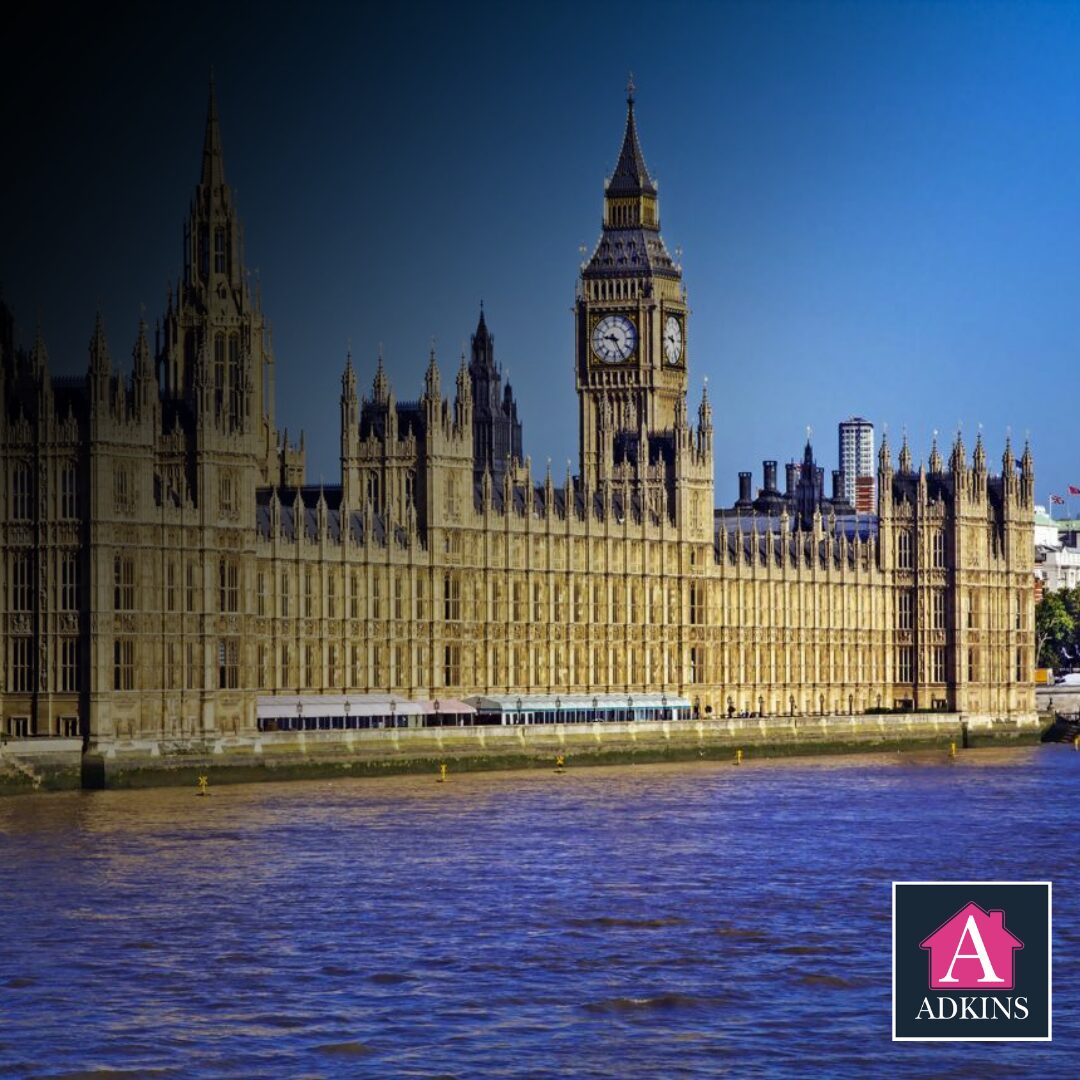
Stamp Duty on buy-to-let properties and second homes will increase from 3% to 5% from today, Chancellor Rachel Reeves (main picture) announced in her Budget.
In a move that will hit landlords’ finances, Reeves said it was necessary to help fill a £22 billion black hole in the public finances.
Justifying the hike, her department’s briefing notes following the Budget said: “The government is supporting first-time and main home buyers by increasing the Higher Rates for Additional Dwellings of Stamp Duty Land Tax.
“These higher rates apply to purchases of second homes, buy-to-let residential properties and companies purchasing residential property and the increase will provide those looking to move home or purchase their first property with a comparative advantage over those purchasing additional property.
“This is expected to result in 130,000 additional transactions over the next five years by first-time buyers and other people buying a primary residence. Those who exchanged contracts prior to 31 October 2024 are not affected by this rate increase.”
Capital Gains Tax
She also raised Capital Gains Tax, with the lower rate going up from 10% to 18% and the higher rate up from 20% to 24%. But the rates on residential property will remain at 18% and 24%, much to many landlords’ relief.
Inheritance tax
Estate agents will see employers’ National Insurance contributions go up from 13.8% to 15%. And the threshold at which employers start paying drops from £9,100 to £5,000.
Reeves says she will extend the Inheritance Tax threshold freeze for a further two years to 2030. So, the first £325,000 of any estate can be inherited tax-free.
Non-dom rules
Many prime agents in London and the Home Counties will be worried to hear that Reeves has abolished ‘non-dom’ status to “ensure that people who live here pay their taxes here” a measures which previously many agents have said could reduce the number of wealthy buyers in the capital and elsewhere.
She said: “The Budget is closing loopholes in the tax system, including ending the unfair
current treatment of carried interest and replacing the non-dom tax regime with a
new residence-based system to make sure that everyone who makes their home in
the UK pays their taxes here”.
The Chancellor announced £40 billion of tax increases in the Budget overall.
David Callaghan – The Negotiator